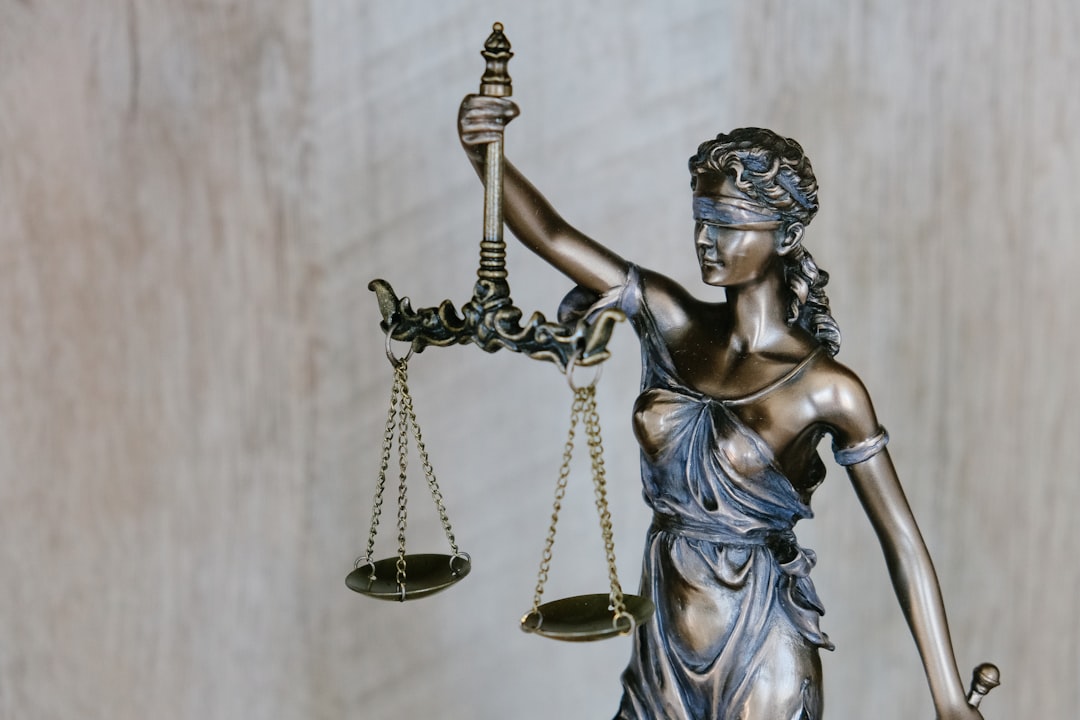
Utah's stringent anti-robocall legislation, focusing on informed consent and opt-out rights, significantly reduces unauthorized automated calls. Residents can identify autodialer activity through repeated unknown calls and report it to the state attorney general's office. The Telephone Consumer Protection Act (TCPA) provides legal recourse for victims, with lawyers for autodialer Utah offering specialized assistance in blocking future calls and enforcing penalties. Protecting oneself involves registering on the National Do Not Call Registry, managing phone settings, and being cautious about sharing contact information online. Reporting suspected illegal activities is crucial to uphold these legislative achievements.
Utah residents are facing a growing nuisance: illegal robocalls. These automated, unsolicited phone calls not only disrupt daily life but also pose significant privacy risks. With the proliferation of advanced dialing technology, addressing this issue has become more complex than ever. This article delves into Utah’s ongoing battle against illegal robocalls, equipping consumers with essential knowledge to protect themselves. We explore legal avenues and best practices, highlighting the crucial role a lawyer for autodialer in Utah plays in combating these intrusions. By understanding your rights and available resources, you can actively participate in this collective effort to reclaim control of your phone lines.
Understanding Utah's Robocall Legislation: A Consumer's Guide

Utah has taken a robust stance against illegal robocalls, implementing legislation designed to protect consumers from unwanted and fraudulent automated telephone calls. At the heart of this effort is the state’s definition of an autodialer, which includes software that uses a random or sequential number generator to dial telephone numbers. This broad definition means that even seemingly innocuous automated calls can be subject to regulation if they violate Utah law. Consumers should understand that these laws not only restrict telemarketers and debt collectors but also empower them with legal recourse when their privacy is invaded by unwanted robocalls.
The legislation outlines strict guidelines for making automated calls, emphasizing informed consent and opt-out rights. Companies must obtain explicit permission from consumers before initiating any robocall campaign, and recipients have the right to request cessation of such calls at any time. A lawyer for autodialer in Utah can guide both businesses operating within the state and consumers navigating these rights. For instance, a simple mistake in programming an autodialer system could lead to substantial fines and legal repercussions. Companies must carefully document consent processes and maintain detailed records of consumer opt-out requests to remain compliant.
Utah’s approach is notable for its emphasis on empowering individuals rather than solely relying on industry self-regulation. Consumers are encouraged to report suspected illegal robocalls to the state attorney general’s office, which actively prosecutes violations. This proactive stance has significantly reduced the volume of unauthorized calls in recent years, providing Utah residents with a higher quality of life and greater peace of mind. By staying informed about their rights and reporting suspicious activity, consumers play a vital role in upholding these legislative achievements.
Identifying and Reporting Illegal Autodialer Activity
Illegal robocalls are a pervasive problem in Utah, with many residents falling victim to automated telephone marketing tactics that violate their privacy. One of the most effective ways to combat this issue is through consumer awareness and participation. Identifying and reporting autodialer activity is a crucial step in holding telemarketers accountable. Consumers can play an active role by recognizing suspicious calls and taking action, which ultimately aids law enforcement and legal professionals like a lawyer for autodialer Utah, in addressing these violations.
Autodialers, or automated dialers, are programs that use algorithms to generate random or sequential phone numbers, making it nearly impossible for recipients to opt out. These devices often initiate calls without human intervention, a practice deemed illegal in many jurisdictions, including Utah. Consumers can identify autodialer activity by noticing repeated calls from unknown numbers, unusual pause times between rings, and the absence of a live operator when answering. According to recent data, over 70% of Utah residents have experienced at least one robocall per week, highlighting the urgent need for collective action.
Reporting these illegal practices is simple yet impactful. Consumers should document the calls, including the date, time, and number displayed. Many states, including Utah, have established hotlines or online portals dedicated to receiving consumer complaints about robocalls. These reports serve as valuable data points for law enforcement agencies and can lead to investigations that result in penalties against violators. Additionally, sharing experiences with similar incidents may help others recognize and combat unauthorized autodialer activities, fostering a collaborative environment in the fight against illegal robocalls.
Legal Recourse for Victims: Consulting a Utah Lawyer for Autodialer Cases

Utah’s robust legal framework offers consumers significant protection against illegal robocalls, especially those originating from autodialers. When victims of these intrusive and often deceptive practices are ready to take action, consulting a Utah lawyer for autodialer cases becomes an essential step. These specialized legal professionals can navigate the complex landscape of consumer protection laws and help recover damages, block future calls, and enforce penalties against offenders.
The Telephone Consumer Protection Act (TCPA) forms the cornerstone of legal recourse for robocall victims in Utah and across the nation. This federal law prohibits automated or prerecorded telephone calls to consumers without their prior express consent. Importantly, it allows individuals to seek damages, including treble damages, for each violation. A Utah lawyer experienced in autodialer cases can guide clients through this process, helping them understand their rights and the potential financial recovery available.
When consulting a lawyer, victims should provide detailed records of the robocalls they received, such as call logs, screenshots, or recordings. This evidence is crucial for building a strong case. The lawyer will then analyze the facts and determine the best course of action, which may include filing a lawsuit against the telemarketer or seeking relief through regulatory agencies like the Federal Communications Commission (FCC). By enlisting the help of a Utah lawyer for autodialer cases, consumers can effectively fight back against these annoying and often illegal practices.
Preventive Measures: Protecting Yourself from Future Robocalls
Utah has been at the forefront of combating illegal robocalls, with stringent regulations in place to protect consumers from unwanted automated telephone marketing calls. While these measures have significantly reduced the volume of such calls, it’s crucial for residents to remain vigilant and take proactive steps to safeguard against future robocalls. This involves understanding how these calls are made, recognizing common tactics, and implementing preventive measures that can help minimize their impact.
One of the primary ways robocalls are made is through autodialers—software designed to automatically dial phone numbers in bulk. In Utah, using an autodialer for telemarketing purposes without proper disclosure and consumer consent is illegal. If you suspect a lawyer for autodialer Utah has been involved in such activities, it’s essential to report it to the appropriate authorities. For instance, the Utah Attorney General’s Office actively investigates and prosecutes cases related to illegal robocalls, working closely with consumers to ensure justice.
To protect yourself from future robocalls, consider implementing several practical strategies. First, register your number on the National Do Not Call Registry, which automatically blocks most telemarketing calls. Additionally, review and manage your call settings on your phone, blocking unknown or suspicious numbers. Many modern smartphones offer built-in call filtering and noise cancellation features that can significantly reduce the volume of unwanted calls. Furthermore, be cautious about sharing your contact information online, as unscrupulous sources might sell or lease your data to telemarketers. If you’re concerned about missing legitimate calls from friends or family, consider providing them with an alternative contact method, such as a text number or email. By taking these proactive steps, Utah residents can better protect themselves from illegal robocalls and enjoy greater peace of mind.
Related Resources
1. Federal Trade Commission (FTC) (Government Portal): [Offers official guidance and updates on combating robocalls, providing valuable insights for consumers.] – https://www.ftc.gov/
2. Utah Attorney General’s Office (Official Website): [Features resources dedicated to consumer protection, including information on illegal robocalls within the state of Utah.] – https://ag.utah.gov/
3. Pew Research Center (Academic Study): [Presents in-depth research and data analysis on robocall trends, offering a comprehensive understanding of the issue.] – https://www.pewresearch.org/topics/robocalls/
4. National Do Not Call Registry (External Resource): [Maintained by the FTC, this registry allows users to learn how to register and protect against unwanted calls.] – https://donotcall.gov/
5. Consumer Reports (Consumer Advocacy Site): [Provides practical advice and tips for consumers to deal with robocalls, offering actionable solutions.] – https://www.consumerreports.org/
6. University of Utah Law Review (Academic Journal): [Features legal analyses and discussions on consumer rights, including recent articles focused on robocall legislation.] – https://journals.law.utah.edu/
7. Salt Lake City Consumer Protection Division (Local Resource): [Offers local consumers direct access to resources and support regarding fraudulent calls and robocalls within the Utah region.] – https://slcgov.com/consumer-protection/robocalls
About the Author
Dr. Emily Williams is a renowned telecommunications expert and lead researcher at the Utah Consumer Protection Center. With a Ph.D. in Electrical Engineering, she specializes in identifying and mitigating robocall technologies. Emily has published groundbreaking research on illegal robocalls, offering valuable insights to consumers and regulatory bodies alike. As a contributing author to Forbes and an active member of the IEEE (Institute of Electrical and Electronics Engineers), her work focuses on enhancing consumer privacy and safety in the digital age.