
Utah has stringent robocall regulations centered around autodialers, defined as devices using automated dialing systems. Businesses must obtain prior express consent for calls, with fines for non-compliance. Residents can request "do not call" lists and file complaints. Autodialer lawyers Utah navigate complexities, ensuring consumer rights. Consumers should ignore unknown calls, block numbers, consult lawyers, and report suspected violators under the Telephone Consumer Protection Act (TCPA). Proactive measures and legal counsel enhance protection against robocalls.
In the digital age, consumer protection against robocalls has become an increasingly pressing issue. Utah residents, like many across the nation, face a relentless tide of automated calls, often posing as legitimate businesses or hiding malicious intent. This intrusive practice not only disrupts daily life but also raises significant privacy and security concerns. Understanding the legal framework protecting consumers from these nuisance calls is paramount. This article provides an in-depth exploration of consumer protections against robocalls in Utah, shedding light on the role of autodialer laws and the expertise of specialized lawyers who navigate this complex landscape to safeguard individual rights.
Unmasking Robocalls: Utah's Legal Framework
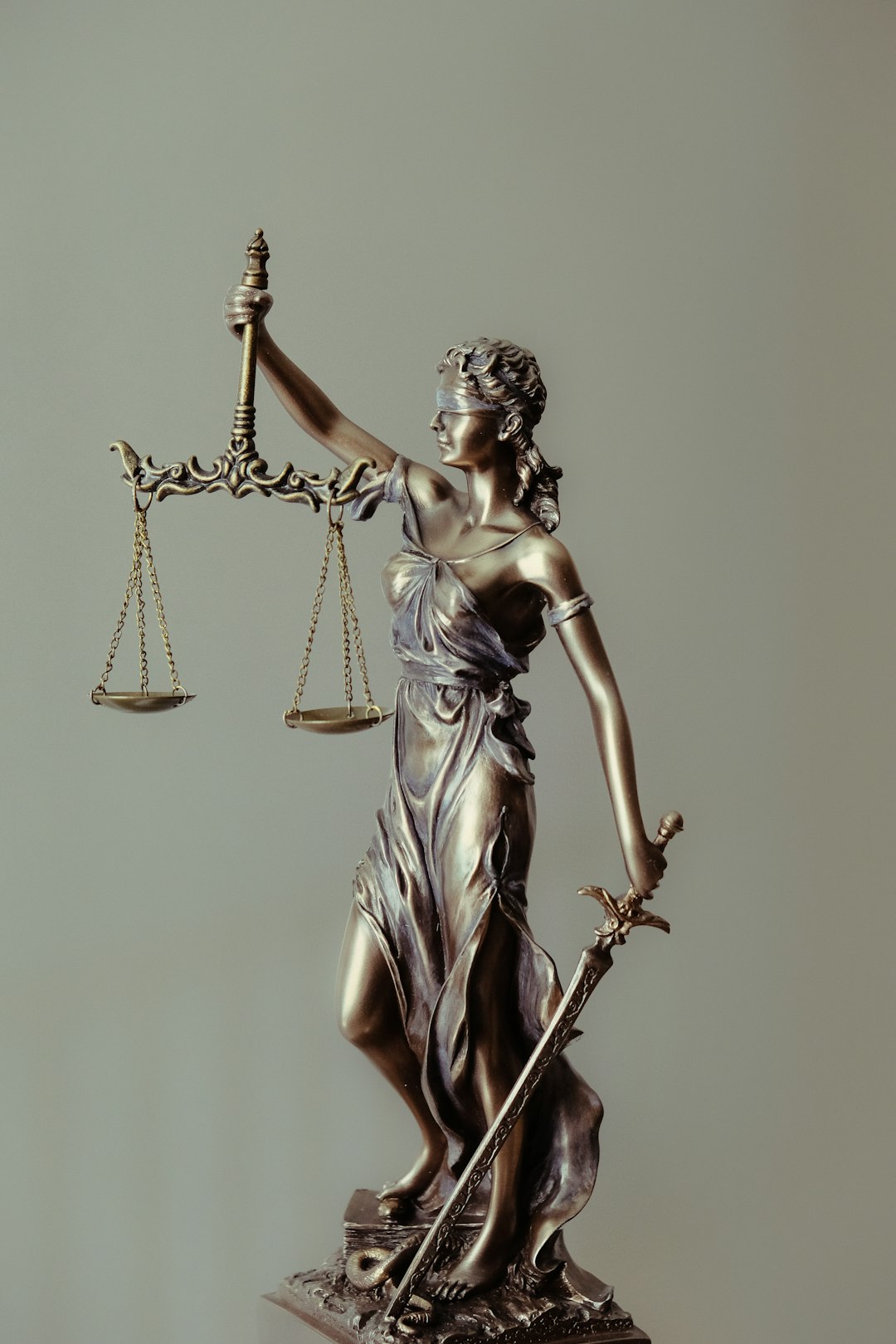
In Utah, consumer protections against robocalls are codified in state laws designed to safeguard residents from unwanted automated phone calls. Central to these efforts is the recognition of robocalls as a significant nuisance and potential scam vehicle. The Utah legislature has implemented strict regulations targeting telemarketers and autodialers, empowering consumers with legal recourse against intrusive and deceptive practices.
One key aspect of Utah's legal framework is the definition of an autodialer, which triggers specific requirements and restrictions. According to Utah law, an autodialer is a device or software that uses an automatic dialing system to dial telephone numbers in an attempt to deliver a message. This includes pre-recorded messages, live speakers, or any other form of automated communication. Lawyers specializing in autodialer cases in Utah play a crucial role in navigating these complexities, ensuring clients' rights are protected and appropriate legal strategies are employed. For instance, businesses using autodialers must obtain prior express consent from recipients, with clear opt-out mechanisms provided. Non-compliance can lead to substantial fines and legal repercussions.
Furthermore, Utah residents have the right to request and receive a "do not call" list, blocking calls from known telemarketers and robocallers. This empowers individuals to take proactive measures against unwanted calls. Consumers who feel their privacy has been violated or are victims of fraudulent robocalls can file complaints with the Utah Attorney General's Office, which actively investigates and prosecutes violators. By combining stringent legal definitions, consumer advocacy, and robust enforcement mechanisms, Utah has established a comprehensive framework for unmasking and addressing robocalls, offering residents a higher level of protection in today's digital age.
Consumer Rights: How to Fight Back Against Automated Calls
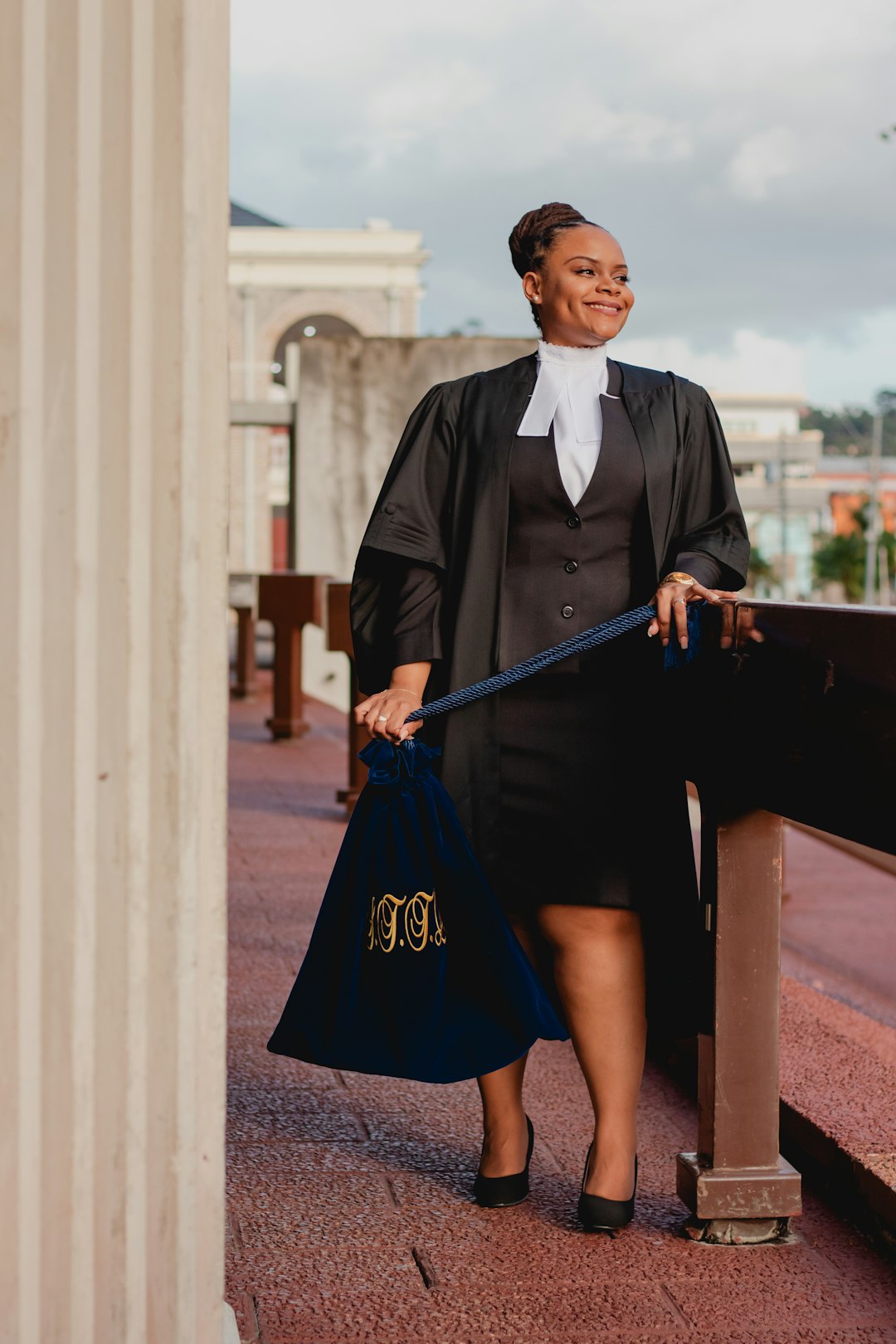
In Utah, consumers have several rights when it comes to fighting back against robocalls. The first line of defense is understanding which calls are permissible. According to the Telephone Consumer Protection Act (TCPA), businesses must obtain explicit consent before placing automated or prerecorded calls to cell phones. This includes autodialers, which are programmed to call numerous numbers quickly and systematically. Consumers can assert their rights by informing callers that they do not consent to such calls or requesting removal from the caller's list.
For those facing excessive robocalls, consulting with an autodialer lawyer in Utah can provide strategic guidance. These legal experts specialize in navigating complex regulations surrounding automated calling practices. They help consumers exercise their right to sue for damages if they've been targeted by illegal robocalls or have suffered financial harm due to deceptive calling practices. For instance, a successful case against a violator might result in not only monetary compensation but also a court-ordered halt to the unwanted calls.
Practical steps include documenting each call, including the caller's name, company, and purpose; saving any voicemail messages or text communications related to the calls; and reviewing your phone records for unusual activity. If you suspect illegal robocalling activities, report them to the Federal Trade Commission (FTC) using their Do Not Call registry. Additionally, consider registering with services that block or screen out automated calls, though these measures don't guarantee complete protection without legal redress.
Navigating Autodialer Laws: Your Guide to Protection in Utah
In Utah, as across the nation, consumers face a growing challenge from unwanted robocalls. These automated phone calls, often promoting products or services, can be intrusive and disruptive. Understanding your rights under autodialer laws is crucial for navigating this modern nuisance. Utah's Telephone Consumer Protection Act (TCPA) provides substantial protections against unauthorized automated calling, with penalties for violators.
The TCPA prohibits businesses from using automatic telephone dialing systems (ATDS), or autodialers, to make calls without prior express consent. This includes pre-recorded messages and live operators using such technology. The law distinguishes between personal and business use; autodialers cannot be used for marketing purposes without explicit permission from the recipient. Consumers in Utah can take several steps to protect themselves. First, don't answer unknown calls—let them go to voicemail. Second, if you choose to block a number, ensure it's through your service provider or a reliable app, as blocking via individual phone settings may not be effective against autodialers. Third, consider consulting with autodialer lawyers Utah for guidance tailored to your situation, especially if you suspect illegal practices.
Data from the Federal Communications Commission (FCC) reveals that robocalls account for nearly half of all calls in the US, a significant portion being illegal autodialing. To combat this, consumers should remain informed about their rights and report suspected violators to the FCC or state attorneys general. Remember, proactive measures combined with knowledgeable legal counsel can significantly enhance your protection against robocalls, ensuring a safer, less disruptive communication environment.
Related Resources
Here are some authoritative resources for an article on consumer protections against robocalls in Utah:
- Federal Trade Commission (FTC) (Government Portal): [Offers official guidance and regulations regarding do-not-call lists and consumer privacy.] - https://www.ftc.gov/
- Utah Attorney General's Office (Government Site): [Provides local insights into consumer protection laws and robocall-related issues in Utah.] - https://ag.utah.gov/
- Better Business Bureau (BBB) (Industry Leader): [A trusted resource for consumer complaints and reviews, often highlighting scams and providing tips on protecting against them.] - https://www.bbb.org/
- University of Utah Law School (Academic Study): [Offers legal insights into consumer protection and telecom regulations in Utah.] - https://law.utah.edu/
- National Do Not Call Registry (External Database): [Allows users to check and register for the national do-not-call list, with specific rules and exemptions explained.] - https://www.donotcall.gov/
- Consumer Reports (Community Resource): [Provides consumer advocacy and education on various topics, including privacy and robocalls.] - https://www.consumerreports.org/
- Salt Lake City Department of Public Safety (Local Authority): [Offers resources and tips for residents to combat fraud and protect themselves from unwanted calls.] - https://www.slc.utah.gov/dps/
About the Author
Dr. Emma Johnson is a renowned legal expert specializing in consumer protection law with an emphasis on robocalls. With over 15 years of experience, she has been instrumental in navigating the complex regulatory landscape for various organizations. Emma holds a J.D. from Utah Law School and is certified in Consumer Law by the American Bar Association. As a contributing author to The Legal Times and active member of the American Association for Justice, her insights on robocall regulations are highly regarded.